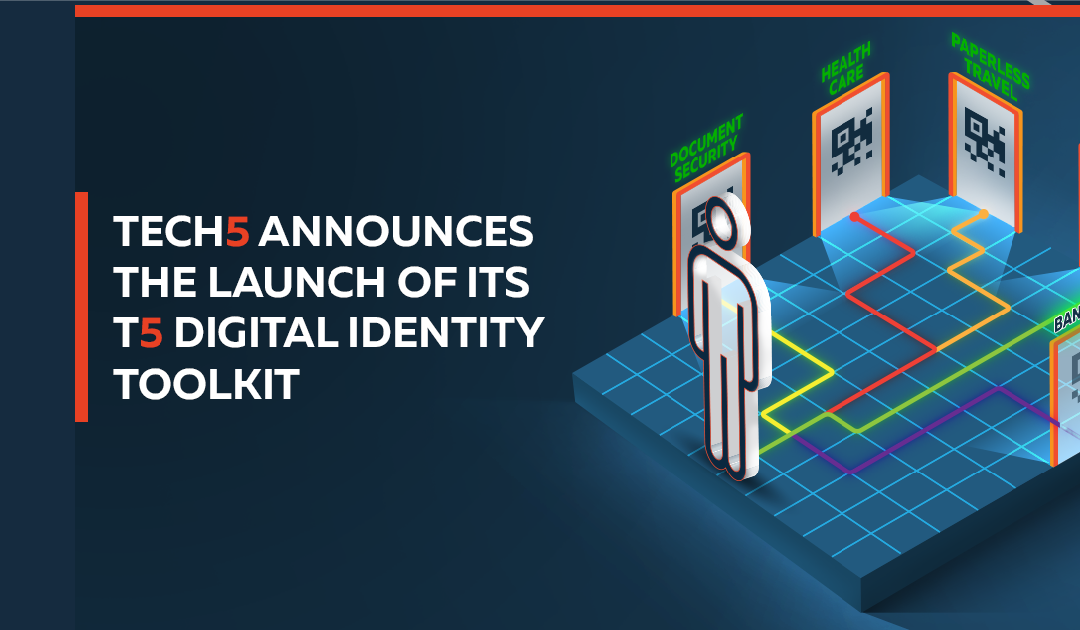
TECH5 is launching its T5 Digital Identity Toolkit with innovative touchless solutions to support and speed up government and enterprise activities safely. The T5 Digital Identity Toolkit can streamline ID management in the
A paperless biometrics platform based on open source technology and open standards, going by the name of OpenGate, has been developed collaboratively by uqudo and iLabs Technologies with integrated technology from Tech5 to bring COVID-19 contact tracing and immunity digital certificates to decentralized travel.
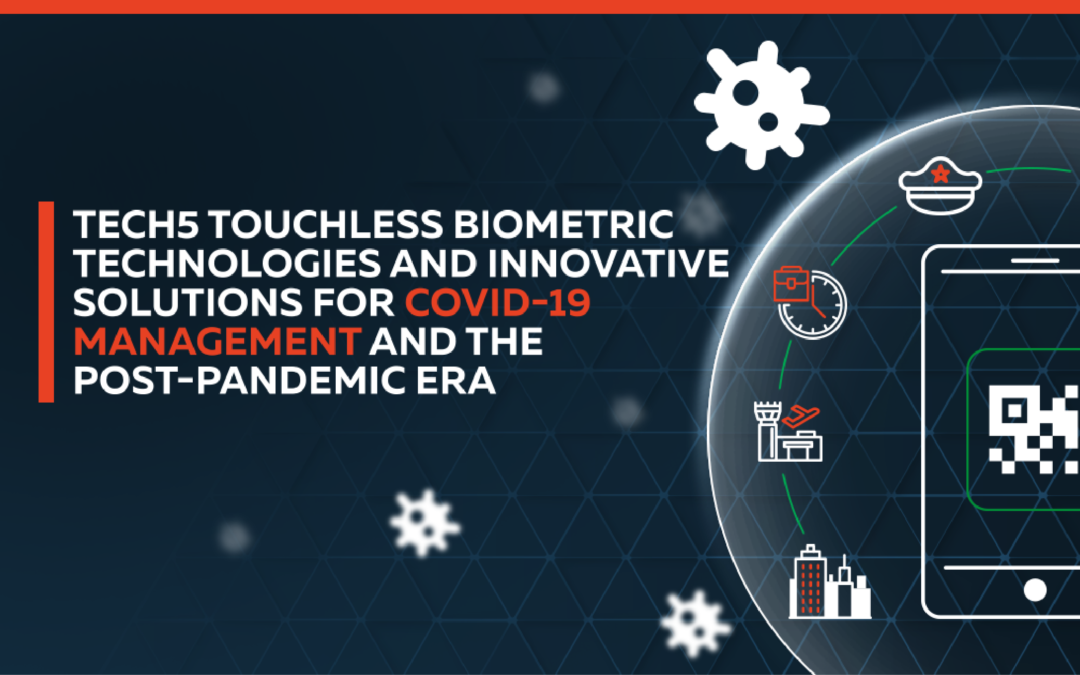
The global impact of the dangerous new coronavirus, COVID-19, has led to the rapid development of new technologies and solutions that allow for the collection of data to monitor the spread of the virus. Several health and government authorities have already begun implementing biometric-based.
Over the last decade, virtually all industry and service sectors have transitioned to a digitalized mode for the delivery of services and the access of information. Furthermore, many governments have turned to digital ID to drive their National ID projects, resulting in greater security as well as economic.
Today TECH5, an international multibiometric solutions company headquartered in Geneva, and ID R&D, the award-winning biometric solutions provider offering AI-based voice, face and behavioral user authentication and anti-spoofing capabilities, announce their first joint biometric deployment as part of a strategic relationship that will extend..
The FindBiometrics Year in Review is a massive industry event, collecting the opinions of biometrics industry experts from a wide range of backgrounds.
Learn more about Openness of Future National IDs and expert opinion of Rahul Parthe, the co-founder and chairman of the company that provided the first ABIS that integrates with MOSIP, Tech5, for IEEE Spectrum.
In recent years the scale of biometrics projects has changed dramatically thanks to the evolution of core technologies and concepts around national ID.
TECH5 presented a tested and ready-to-use solution with implemented biometrics to the Executive Committee and International Advisory Group of MOSIP. TECH5 is the first ABIS vendor to be integrated with the MOSIP platform.
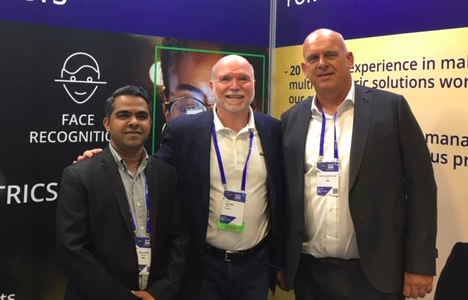
ID4Africa is above all about empowering undeserved people with the human right of identity, so it’s fitting that Peter O’Neill, President of FindBiometrics, spoke with Rahul Parthe, Founder and Chairman, TECH5.
TECH5 will introduce its highly scalable and accurate T5-ABIS platform for Identity Management at ID4Africa, June 18-20, 2019, at its booth C27. For the first time the company will present its solutions to African businesses and government.
Efficient and effective identity management continues to be one of the most important requirements for the growth and development of modern societies, particularly today at a time of unprecedented increases in population and the need for greater interaction between groups.